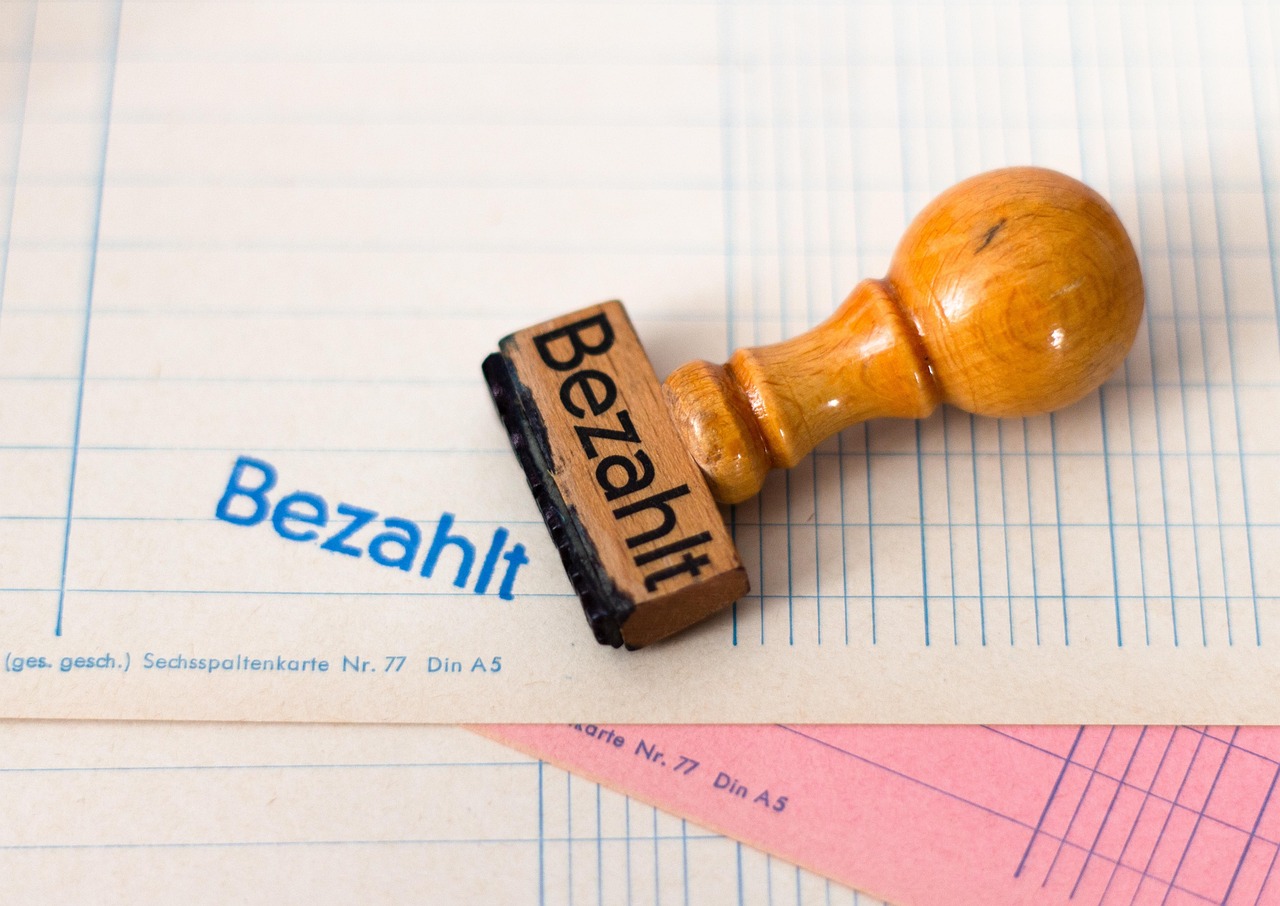
Cash flow is the lifeblood of any business - you can be profitable on paper but still run out of money to pay bills. Smart accounts payable (AP) and accounts receivable (AR) management keeps cash flowing in the right direction at the right time.
Accounts Receivable: Getting Paid Faster
1. Invoice Immediately Don't wait until month-end to send invoices. Bill as soon as work is complete or products ship. Every day you delay is money sitting on the table earning nothing.
Best practices: • Use recurring billing for regular services • Send invoices electronically for faster delivery • Include clear payment terms (Net 15, Net 30, etc.) • Add late fees to encourage timely payment
2. Make Payment Easy The easier you make it to pay, the faster you'll get paid: • Accept credit cards and ACH payments • Include payment links in invoices • Offer autopay for recurring customers • Provide multiple payment options
3. Follow Up Systematically Create a collection schedule: • Day 1: Invoice sent • Day 15: Friendly reminder email • Day 30: Phone call if unpaid • Day 45: Final notice • Day 60: Collections agency or small claims
4. Offer Early Payment Discounts A 2% discount for paying within 10 days often works better than charging late fees. Calculate whether the discount costs less than your cost of capital.
5. Know Your Customers Check credit before extending terms: • Require credit applications for large orders • Set credit limits based on payment history • Monitor customer payment patterns • Flag slow-paying customers for cash-only terms
Accounts Payable: Optimizing Cash Outflow
1. Take Advantage of Payment Terms Don't pay early unless there's a discount. If terms are Net 30, pay on day 30, not day 5. Use that cash for 25 extra days.
2. Negotiate Better Terms Ask suppliers for: • Extended payment terms (45 or 60 days) • Volume discounts • Early payment discounts only if beneficial • Seasonal payment schedules
3. Prioritize Payments Strategically When cash is tight, pay in this order: 1. Payroll and payroll taxes (legal requirements) 2. Critical suppliers (utilities, key vendors) 3. Suppliers offering discounts 4. Everything else
4. Use Technology Modern AP systems help: • Schedule payments to optimize cash flow • Track due dates to avoid late fees • Capture early payment discounts • Reduce manual check writing
Cash Flow Forecasting
Predict future cash needs:
Weekly Forecast: • Known incoming payments • Scheduled outgoing payments • Recurring expenses • Seasonal variations
Monthly Forecast: • Sales pipeline probability • Major equipment purchases • Tax payment due dates • Loan payments
Improving Your Cash Conversion Cycle
Cash Conversion Cycle = Days Sales Outstanding + Days Inventory Outstanding - Days Payable Outstanding
To improve: • Reduce DSO: Collect faster • Reduce DIO: Turn inventory faster • Increase DPO: Pay suppliers later (within terms)
Industry-Specific Strategies
Retail Businesses: • Buy inventory closer to selling season • Negotiate consignment arrangements • Use just-in-time ordering • Offer layaway programs
Service Businesses: • Require deposits or retainers • Bill for expenses upfront • Use milestone billing for large projects • Offer service packages paid in advance
Contractors: • Invoice for materials immediately • Require progress payments • Use lien rights when appropriate • Negotiate favorable change order terms
Common Cash Flow Mistakes
• Giving everyone the same payment terms • Not following up on overdue accounts • Paying bills early without discounts • Ignoring seasonal cash flow patterns • Not maintaining cash reserves
Building Cash Reserves
Target: 3-6 months of operating expenses
Sources of reserve funds: • Percentage of monthly profits • Seasonal surplus periods • Line of credit (backup only) • Factor receivables if needed
Monitoring Cash Flow Health
Key metrics to track: • Days Sales Outstanding (target: under 45 days) • Days Payable Outstanding (optimize based on terms) • Current ratio (current assets ÷ current liabilities) • Quick ratio (liquid assets ÷ current liabilities)
Technology Tools That Help
• QuickBooks Online for automated reminders • Stripe/Square for fast online payments • Bill.com for AP automation • FreshBooks for time tracking and invoicing • Fundbox or similar for receivables financing
The Bottom Line
Cash flow management isn't about big complicated strategies - it's about consistent execution of simple systems. Bill quickly, follow up religiously, pay strategically, and always know what's coming next week.
Remember: Growth without cash flow management leads to profitable bankruptcy. Master these AP/AR fundamentals first, then worry about scaling.